Sacramento may be known for its mild climate, but that doesn’t mean homeowners are safe from winter surprises. When a cold snap moves in, temperatures can drop quickly—and suddenly your plumbing is at risk. Frozen pipes are more common than many people realize, and when they occur, they can lead to burst pipes, water damage, and expensive repairs. Fortunately, with the proper preparation, you can keep your home protected all winter long.
Why Frozen Pipes Happen in a Mild Climate
Many Sacramento homeowners assume frozen pipes are a problem only for colder regions, but winter weather in Northern California can still bring overnight freezes. Uninsulated pipes, outdoor spigots, crawlspaces, and garages are especially vulnerable.
When water inside your pipes freezes, it expands. This pressure increase can cause pipes to crack or burst—sometimes without warning. Even a short freeze can lead to major plumbing issues, which is why winterizing your system is important, no matter how rare those cold snaps may be.
Signs Your Pipes Are at Risk
Recognizing early warning signs can help you avoid a major plumbing emergency. If you notice any of the following, your pipes may already be freezing or close to it:
- Decreased Water Flow: If water trickles rather than flows normally, freezing may be restricting movement through the pipes.
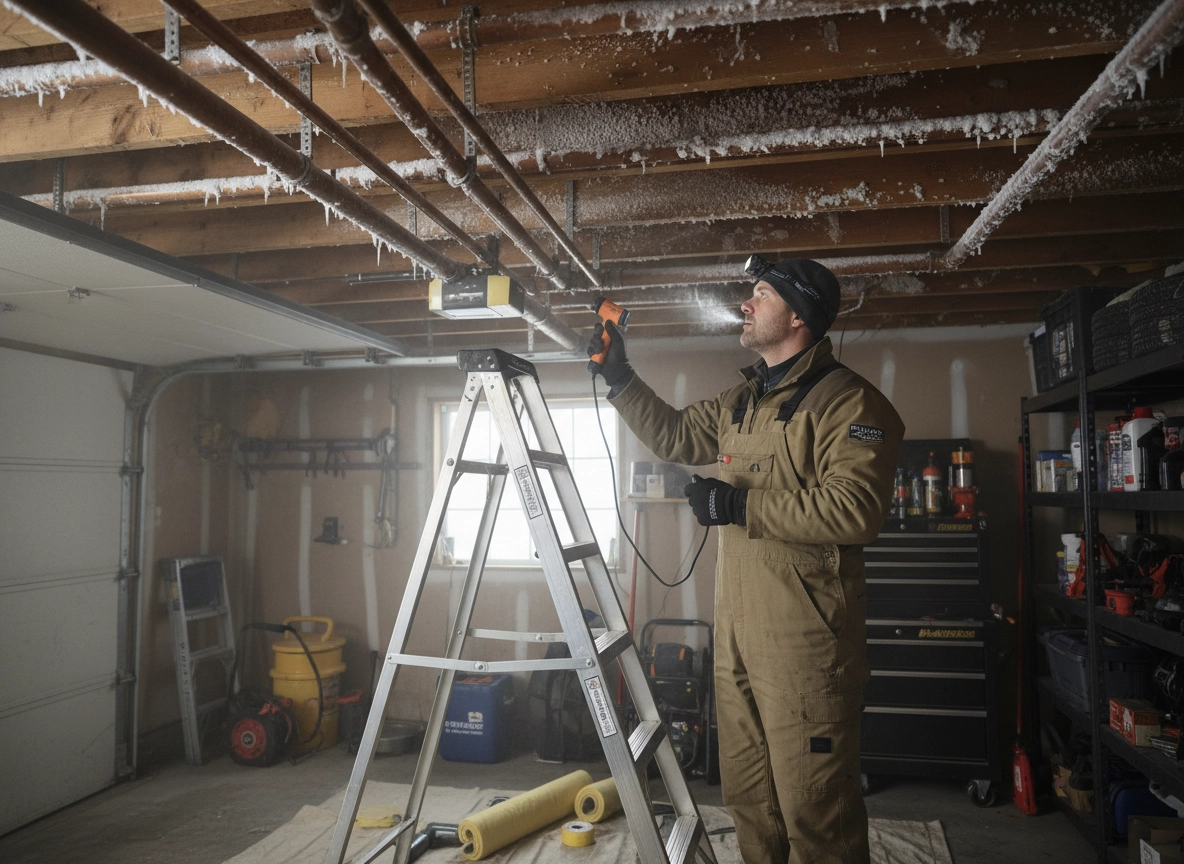
- Frost on Pipes: Visible frost on exposed piping—especially in attics, basements, or outdoor areas—is a clear red flag.
- Unusual Noises: Banging or clanking sounds can indicate that ice has formed inside the lines.
- Cold Spots: Areas near exterior walls or uninsulated spaces may feel noticeably colder, signaling pipes in that zone are vulnerable.
Catching these signs early can help prevent serious damage and give you time to take action.
Simple Steps to Prevent Freezing Pipes
Winterizing your plumbing system doesn’t have to be complicated, but consistency is key. Here are some effective ways to keep your pipes safe:
- Insulate Exposed Pipes: Any pipe located in an unheated space—attics, garages, crawlspaces, or outdoor walls—should be insulated with proper pipe sleeves or wraps.
- Disconnect Outdoor Hoses: Water trapped in outdoor spigots and hoses can freeze and cause pressure to back up into indoor plumbing.
- Keep Interior Doors Open: Allow warm air to circulate around pipes, especially those near exterior walls.
- Let Faucets Drip During Extreme Cold: A slow drip helps relieve pressure inside the pipes and reduces the risk of freezing.
While these steps can help, the most reliable protection comes from a professional winterization service.
Why Professional Winterization Matters
DIY steps are useful, but a professional winterization service provides a fully comprehensive approach. Our team can:
• Inspect vulnerable areas
• Insulate problem zones
• Check outdoor plumbing
• Identify hidden risks
• Recommend system upgrades if needed
With professional care, your plumbing system is better prepared to handle unexpected temperature drops, giving you peace of mind all season long. Preparing ahead of time is the best way to avoid costly damage and keep your plumbing running smoothly through winter.
Contact Sierra Pacific Home & Comfort, Inc.—The Guys in the Big Red Trucks—and protect your home from frozen pipes before temperatures dip.