If you’re considering a new heat pump in Modesto, CA, you may be wondering whether this technology or a traditional heating system is the better investment. Both options have advantages and potential drawbacks, but the right choice depends on more than equipment prices and efficiency ratings. Understanding how each system operates and how your home affects performance can help you make an informed decision.
How Heat Pumps Work
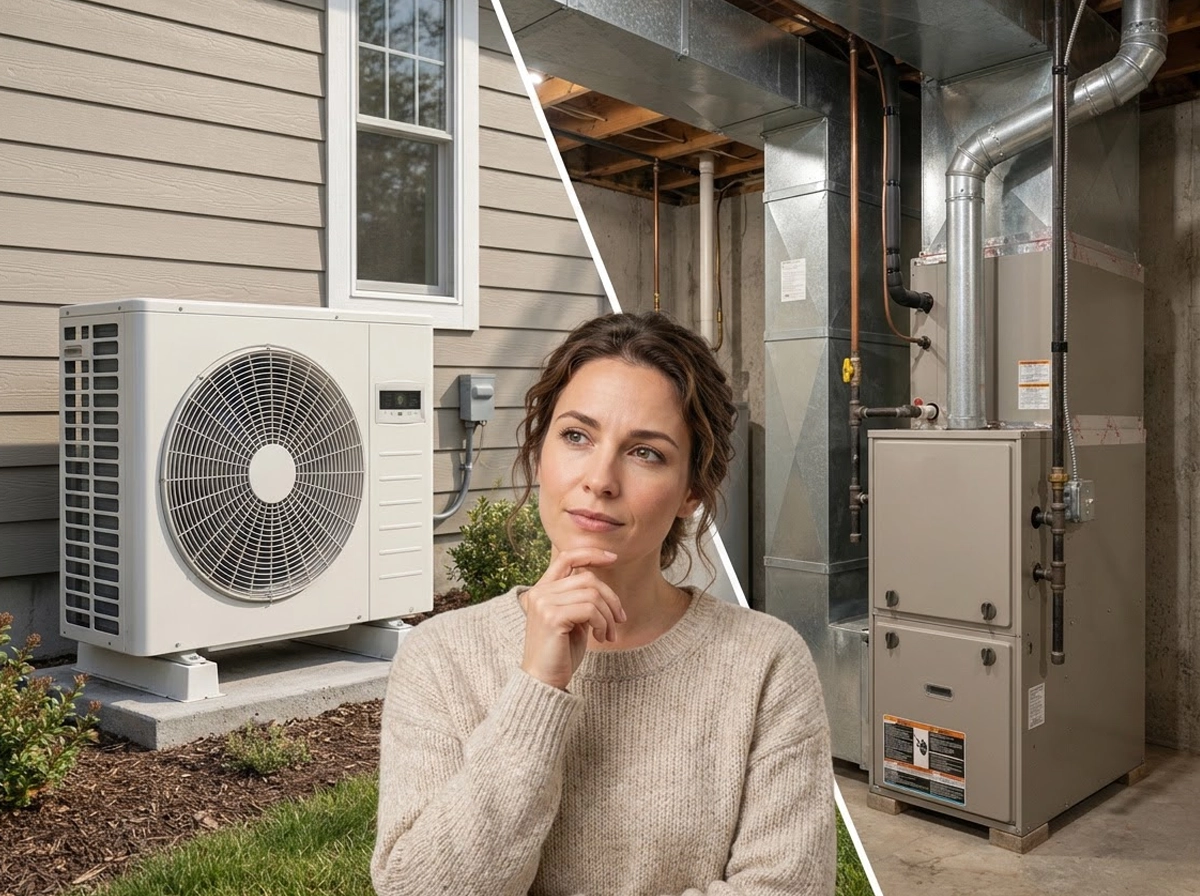
A heat pump moves heat rather than generating it by burning fuel. In winter, it draws heat from outdoor air and transfers it indoors; in summer, it reverses the process to provide air conditioning. Because moving heat can require less energy than creating it, a heat pump can be highly efficient, especially in a moderate climate.
Heat pumps provide heating and cooling in a single system. They also avoid on-site combustion, so no furnace burner produces combustion gases inside the home. However, performance and efficiency vary with outdoor temperatures, equipment design, and installation quality. During colder weather, some models may need supplemental heat, which can affect operating costs.
Understanding Traditional Heating Systems
A gas furnace burns natural gas; an electric resistance furnace uses heating elements. Furnaces are familiar, can deliver warm supply air quickly, and may be a practical option when a home already has suitable ductwork and gas service. A high-efficiency gas furnace can also be a strong heating choice when winter temperatures are low.
There are trade-offs. Gas furnaces require fuel and proper venting, and combustion equipment needs regular inspection to operate safely. Electric resistance heat can be expensive to run in some areas. A furnace also does not provide cooling on its own so that a separate air conditioner may be needed.
Initial costs, available incentives, utility rates, and expected maintenance should also be part of the comparison, not just advertised efficiency ratings.
Your Home Should Guide the Decision
Your home’s square footage, room layout, ceiling heights, window placement, and existing ductwork all influence how heat moves through the space. Insulation and air sealing affect how quickly warmth escapes, while passive solar gain from sunlight entering windows can reduce heating needs in some rooms.
An oversized or undersized system may cycle inefficiently, struggle to maintain even temperatures, or use more energy than necessary. A well-insulated home with modest heating needs may be an excellent candidate for a heat pump. A home with significant heat loss, challenging ductwork, or particular fuel and equipment constraints may call for a different approach—or improvements to the building envelope first.
Get Professional Guidance Before You Choose
Our HVAC experts can evaluate the details that make a difference, including your home’s size, layout, insulation, air leakage, ductwork, and exposure to sunlight. We can discuss equipment options, efficiency ratings, estimated operating costs, and whether supplemental or backup heat makes sense.
Talk with our team before deciding so you can compare the benefits and downsides with your home’s actual needs in mind. The right fit can support year-round comfort and sensible energy use.
Contact Sierra Pacific Home & Comfort, Inc. today for a heating system or heat pump in Modesto, CA. The Guys in the Big Red Trucks.