 It would be nice if we had air conditioners that could self-diagnose malfunctions and report them back to the homeowners in detail, right? Honestly, that’s probably not too far-fetched of an idea when you really think about it.
In the meantime, though? This isn’t a reality and we need to rely on other methods for our air conditioner to send warning signs that something is amiss. This may be a drop in cooling power, or an unexpected and unexplained spike in energy bills. Or, it may be that your circuit breakers for the indoor and outdoor units keep tripping.
Or, it could be noise. “Wait,” you might be thinking, “my air conditioner always makes noise!” We aren’t talking about the hum of the fans or the faint clicking you might here when the system starts up and shuts down, though. Rather, we’re talking about sounds that are abnormal to what you normally hear, or seem louder than they should be. What could this include? Read on!
 Typically as we get to this part of the year, you’ve had maintenance done for your air conditioner—hopefully—and we’re ready to start enjoying the season, even if it means running our air conditioners on almost a daily basis.
 Fact #1: Summer is hot.

 You can’t let a car sit in the garage for six months, start it back up again, and expect it to run without an issue.
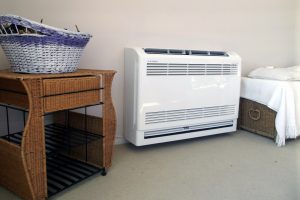 In the world of air conditioning, there are two major categories of air conditioners:
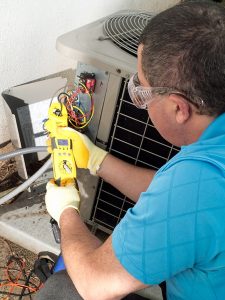
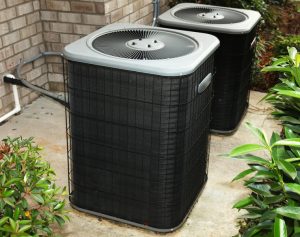 If you’re reading this post, you may have just learned that there are different types of air conditioning available to you. And we aren’t just referring to different brands. Depending on your needs and the configuration of your current heating or cooling systems (if any), there are different options available for you. We’ll go over three cooling methods that can benefit anyone thinking of replacing or installing a new system.
 When it comes to AC trouble, there are two kinds: